Why Wall Panel Drawings Matter More Than Ever
Commercial construction projects are complex. Multiple teams, tight schedules, and rising material costs leave little room for mistakes.
This is where wall panel drawings become essential.
Wall panel drawings provide clear plans that show how each wall panel is designed, fabricated, and installed. They act as a direct link between design and construction, helping teams stay aligned from early planning through installation.
What Are Wall Panel Drawings?
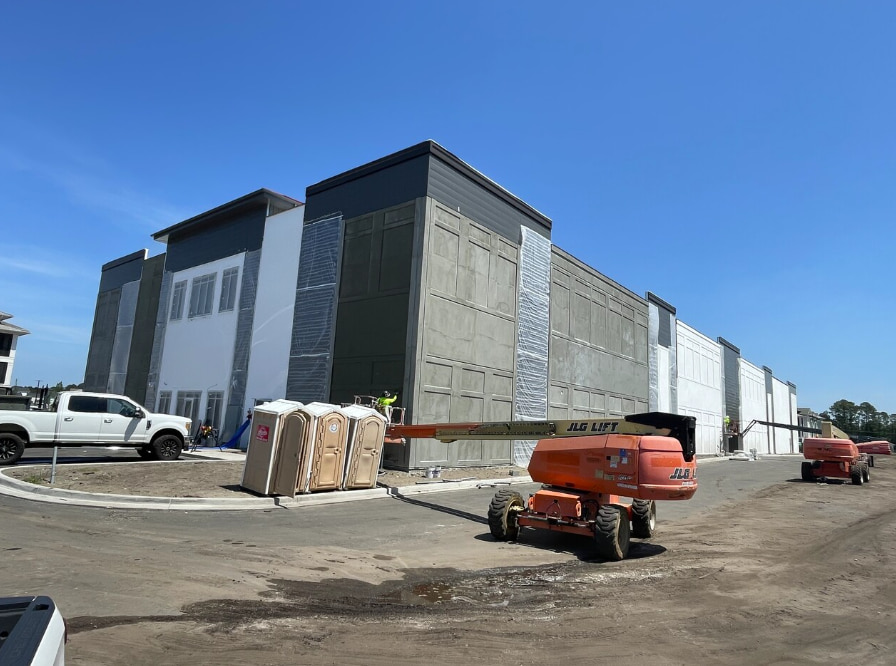
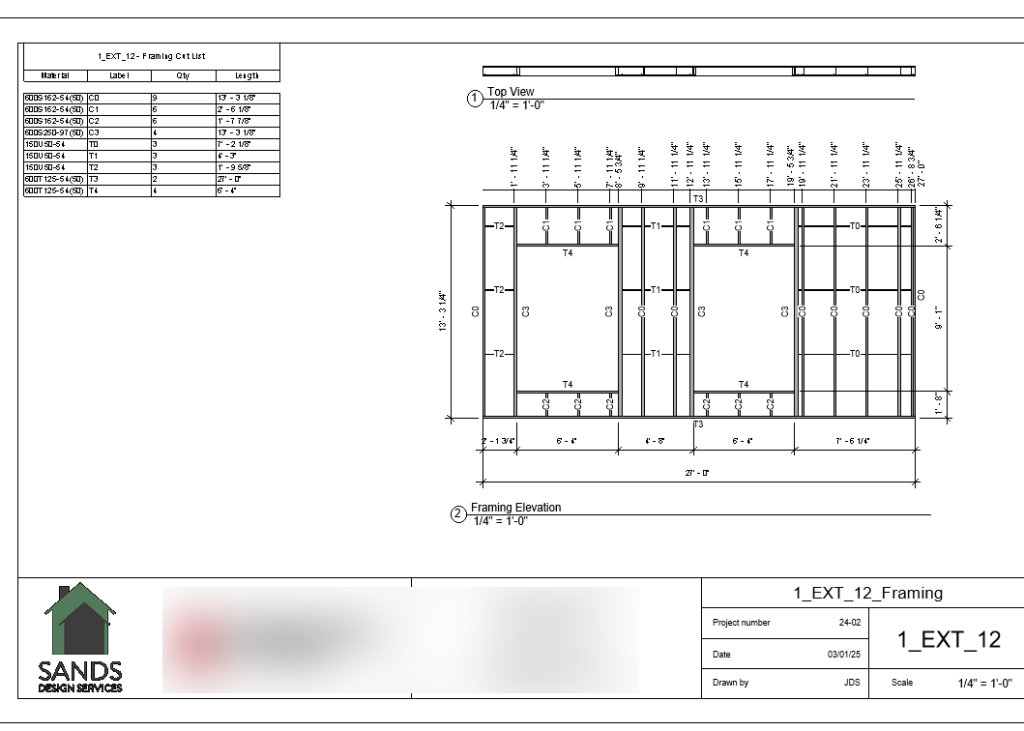
Wall panel drawings are detailed construction documents used in projects that rely on prefabricated or panelized wall systems. They show how each panel fits within the overall structure and how it should be assembled either off-site in a controlled facility or on-site.
These drawings are commonly used in:
- Commercial office buildings
- Multi-family developments
- Student housing
- Hotels
- Retail and mixed-use projects
When wall panel drawings are clear and accurate, teams can work more efficiently and avoid costly misunderstandings.
Key Components of Wall Panel Drawings
Well-prepared wall panel drawings provide the technical detail needed to move from design to fabrication without guesswork.
Panel Layout Drawings
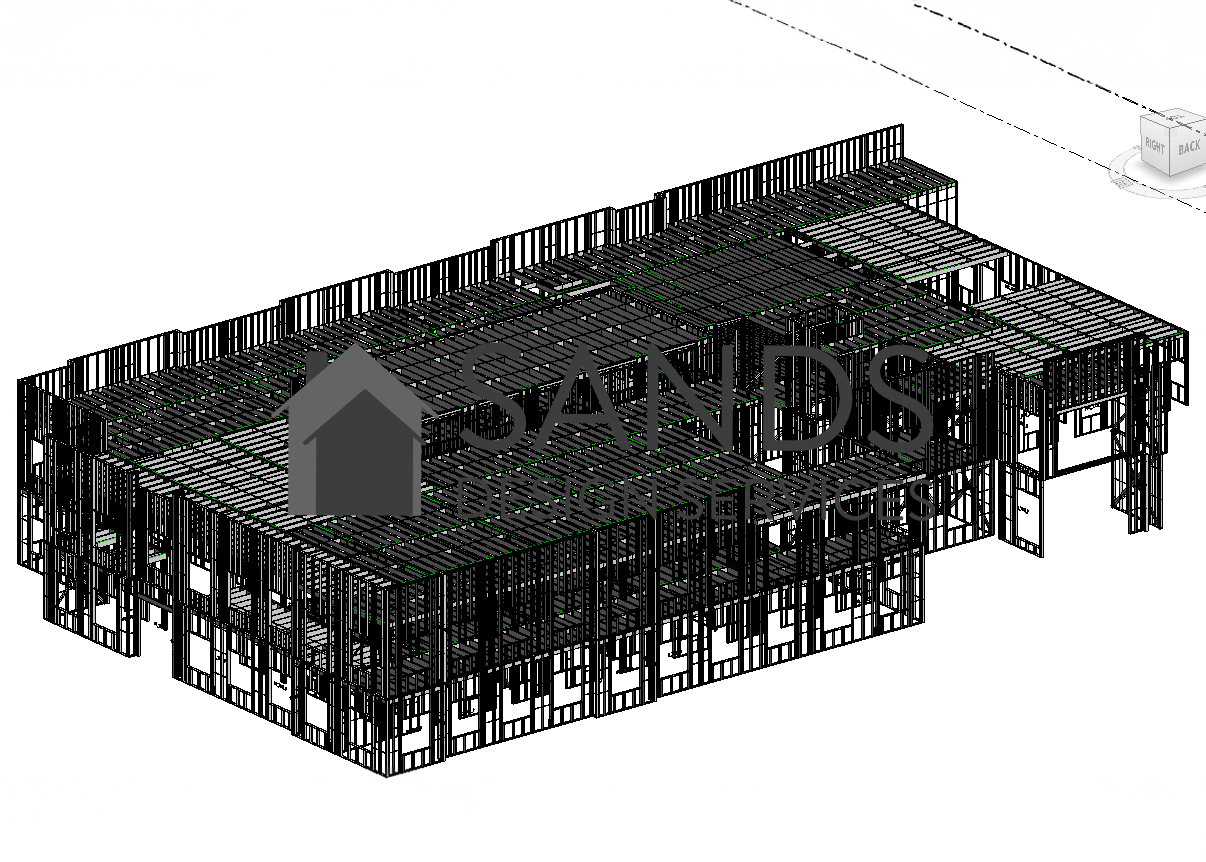
Panel layout drawings show the exact placement of each wall panel within the building.
They typically include:
- Panel locations and identification numbers
- Dimensions and orientation
- Connection points to floors, roofs, and adjacent panels
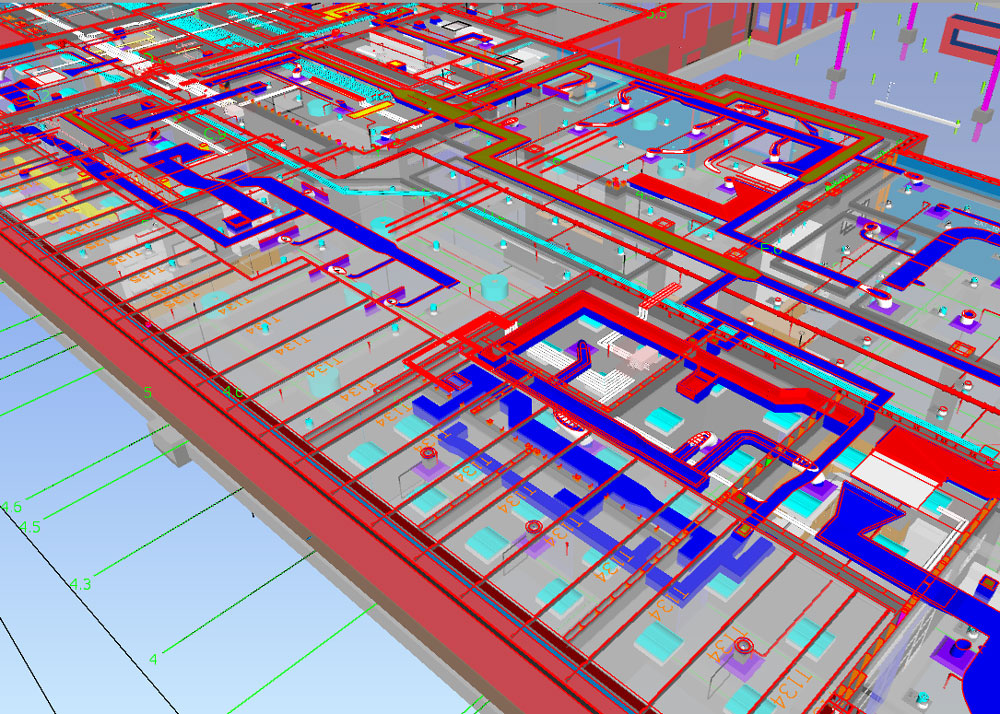
Accurate layouts also support coordination with digital workflows, especially when paired with 3D building modeling in commercial construction.
Wall Assembly Instructions
Wall assembly instructions explain how each panel is built and installed.
These details often include:
- Framing layouts
- Fastener placement
- Connection details
- Installation sequencing
Clear assembly instructions reduce installation errors and help crews work efficiently on-site.
Material Specifications
Material specifications outline exactly what materials are required for each panel.
This usually includes:
- Steel sizes and gauges
- Sheathing types
- Fasteners and hardware
- X-bracing and holddowns
Accurate material specs help avoid shortages, incorrect orders, and delays during fabrication.
Why Wall Panel Drawings Improve Construction Accuracy
One of the biggest advantages of wall panel drawings is improved construction accuracy.
When drawings are precise and well-coordinated, they help prevent issues like:
- Panels that do not fit as intended
- Misaligned door and window openings
- Conflicts with structural or mechanical systems
This level of accuracy leads to smoother fabrication and faster installation.
Reducing Errors During Fabrication
Fabrication teams depend on precise wall panel drawings. Unclear or incomplete drawings can lead to mistakes before panels even leave the shop.
Detailed documentation helps ensure:
- Panels are built to exact dimensions
- Structural requirements are met
- Openings are placed correctly
Clear and consistent construction documentation plays a major role in reducing rework and costly field changes.
Improving On-Site Installation
Clear wall panel drawings also improve installation efficiency.
With proper documentation, crews can:
- Identify each panel quickly
- Follow a logical installation sequence
- Avoid field modifications
This results in faster progress and fewer delays on-site.
How Wall Panel Drawings Support Commercial Construction Plans
Wall panel drawings are an important part of complete commercial construction plans.
They help coordinate multiple systems within a building and ensure everything works together.
Coordination With Other Trades
Commercial projects often involve many trades working simultaneously. Wall panel drawings help align:
- Structural framing
- Mechanical, electrical, plumbing, and fire protection systems
- Floor and roof assemblies
This coordination is especially effective when supported by BIM-driven construction coordination.
Supporting Permits and Reviews
Detailed wall panel drawings can also help streamline the permitting and review process.
Many jurisdictions require:
- Clear wall assemblies
- Structural clarity
- Code-compliant documentation
Complete and accurate construction documents help ensure compliance with local codes and regulatory requirements, which is crucial for obtaining permits and moving the project forward efficiently.
Real-World Benefits of Wall Panel Drawings
The value of wall panel drawings becomes clear when you look at real results from the job site.
Faster Project Timelines
Projects that use accurate wall panel drawings often experience:
- Shorter fabrication timelines
- Faster installation
- Fewer construction delays
Better documentation supports more predictable schedules.
Lower Construction Costs
Although detailed drawings require more upfront planning, they often reduce costs by:
- Minimizing material waste
- Reducing labor hours
- Preventing costly field changes
Accurate documentation helps keep budgets under control.
Improved Team Communication
Wall panel drawings provide a single source of truth for everyone involved.
They help improve communication between:
- Designers
- Fabricators
- Installers
- Project managers
Clear plans reduce confusion and improve overall project efficiency.
When Should Wall Panel Drawings Be Created?
Wall panel drawings should be developed early in the project, ideally before fabrication begins.
Early planning allows teams to:
- Coordinate structural and architectural plans
- Identify potential conflicts
- Finalize materials and connections
Waiting too long can lead to rushed drawings and missed details.
Who Should Prepare Wall Panel Drawings?
Wall panel drawings should be prepared by professionals with experience in:
- Commercial construction documentation
- Panelized wall systems
- Fabrication and installation workflows
Experienced teams help ensure drawings are accurate, buildable, and easy to follow.
Conclusion: Set Your Project Up for Success
Wall panel drawings are not an optional extra. They are a critical tool for commercial construction success.
They help:
- Improve construction accuracy
- Reduce errors and rework
- Streamline fabrication and installation
If your project depends on precision and efficiency, investing in high-quality wall panel drawings makes a measurable difference.
Ready to Get Started?
If you need professional wall panel drawings or support with commercial construction plans, now is the time to plan ahead. Request a quote and move your project forward with confidence.