Construction projects are complex. With multiple trades, tight schedules, and detailed plans, small mistakes can quickly turn into costly delays. One of the most effective ways to prevent these issues is through clash detection.
Clash detection uses digital modeling to identify conflicts in construction plans before work begins. By finding problems early, teams can reduce construction errors, improve project efficiency, and avoid expensive rework.
In this article, we will break down what clash detection is, how it works, and the key clash detection benefits for your next project.
What Is Clash Detection in Construction?
Construction clash detection is the process of identifying conflicts between different building systems before construction starts. These conflicts often occur between architectural, structural, mechanical, electrical, and plumbing systems.
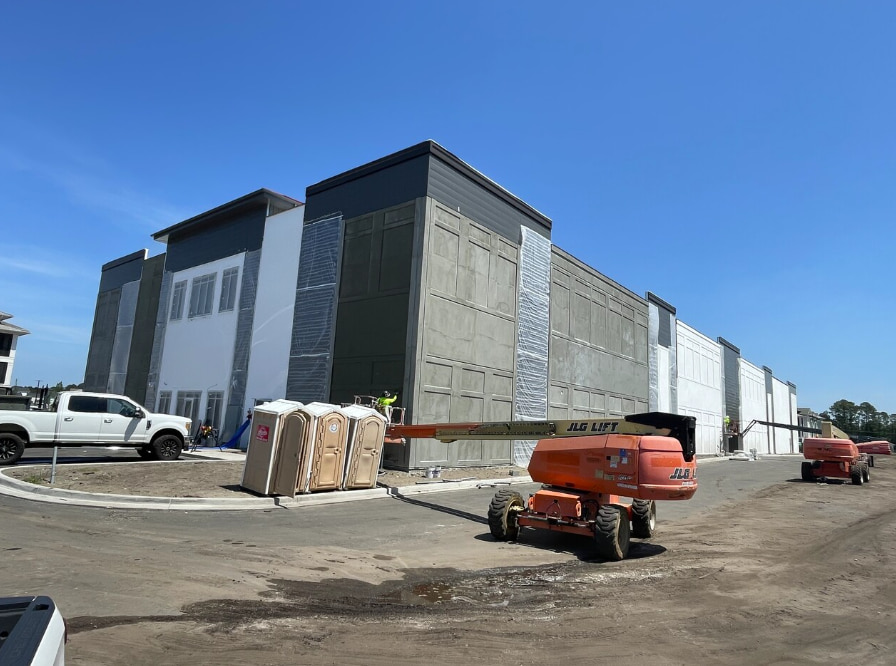
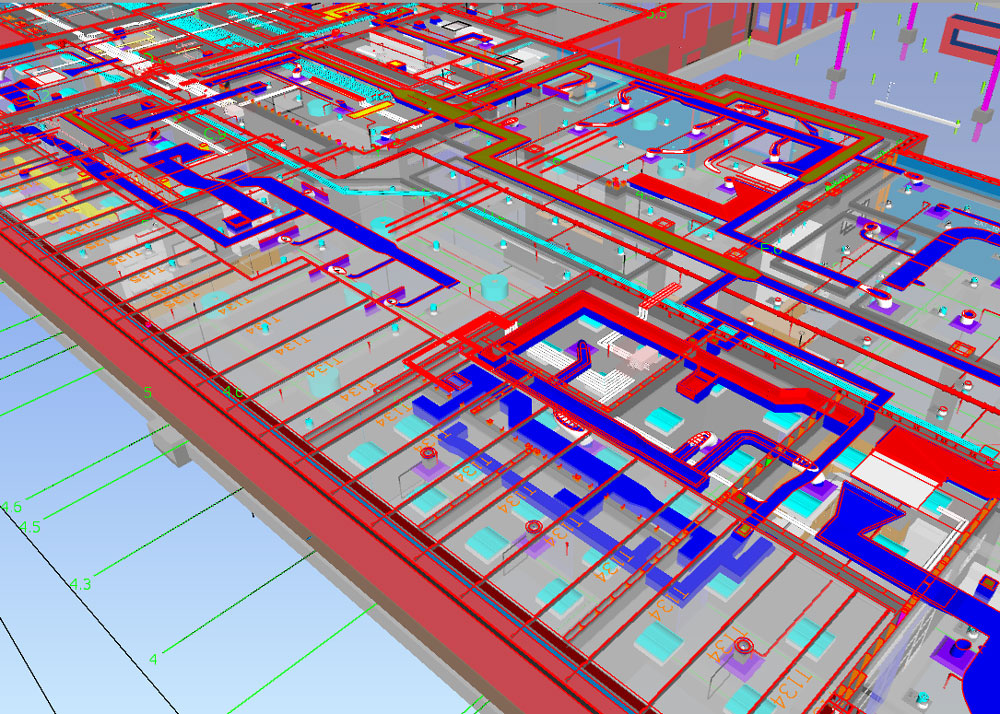
For example, a clash may happen when ductwork runs through a structural beam or when plumbing interferes with electrical systems. If these issues are not identified early, they can lead to redesigns, delays, and added costs once construction is underway.
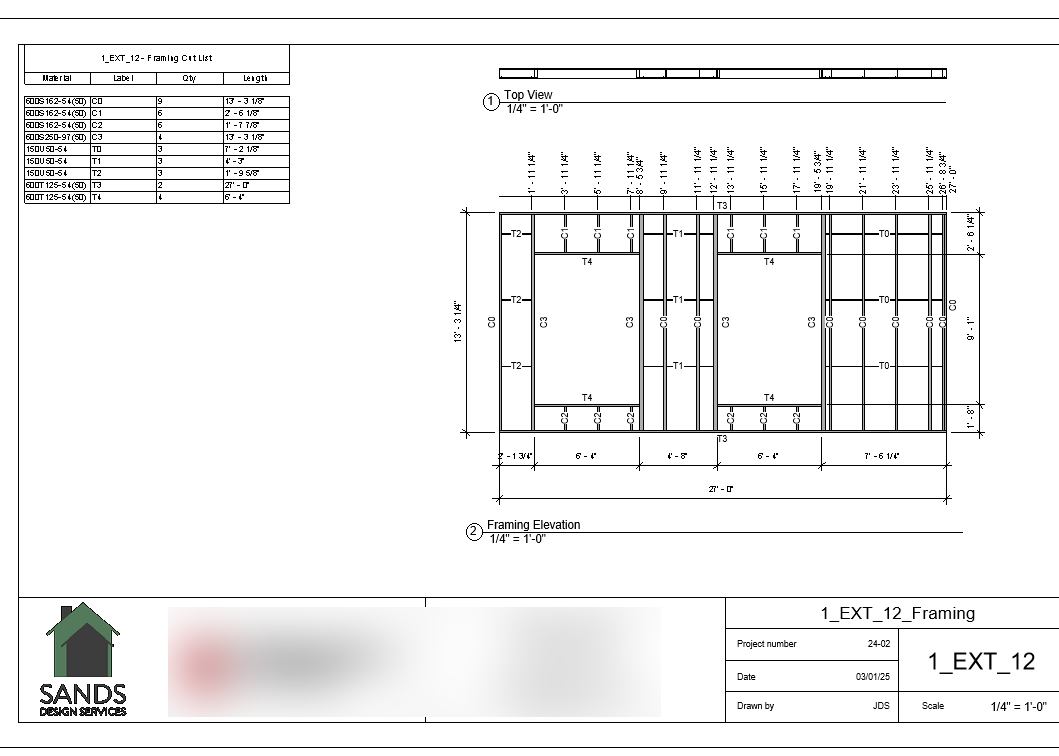
Clash detection is typically performed during the design and coordination phase, long before construction begins. By reviewing architectural, structural, and MEP systems together, teams can identify conflicts early and resolve them before they turn into costly field issues. This approach is commonly used in coordinated building information modeling (BIM) workflows and preconstruction planning, including dedicated construction clash detection services.
Industry research also shows that BIM improves coordination by allowing teams to visualize and resolve conflicts before construction begins.
Why Clash Detection Matters
Reducing Construction Errors Early
One of the biggest clash detection benefits is reducing construction errors before they happen. Errors discovered during construction often result in:
- Change orders
- Material waste
- Schedule delays
Industry research shows that rework can account for between 2 percent and 20 percent of total project costs on typical construction projects, making early conflict detection crucial to controlling expenses. Identifying clashes during the design phase helps teams avoid many of these costly issues.
This proactive approach supports reducing construction errors through coordinated design, using BIM workflows to address conflicts early in the process.
Key Benefits of Clash Detection
1. Early Problem Resolution
Clash detection allows teams to solve problems in a digital environment rather than in the field. This leads to:
- Faster issue resolution
- Better collaboration between trades
- Fewer disruptions during construction
2. Cost Savings and Improved Efficiency
BIM clash detection directly supports cost control and project efficiency. When conflicts are resolved early, teams can:
- Reduce material waste
- Limit labor downtime
- Avoid costly redesigns
Many of the efficiency gains from clash detection are tied to the benefits of 3D building modeling in commercial construction, which allow teams to visualize conflicts and coordination issues before construction begins.
3. Better Scheduling and Planning
When designs are coordinated upfront, construction schedules become more predictable. Fewer conflicts mean:
- Less downtime waiting for revisions
- More reliable trade sequencing
- Smoother inspections and approvals
This level of coordination plays a major role in improving overall project efficiency from preconstruction through completion.
How BIM Clash Detection Works
Using BIM for Clash Detection
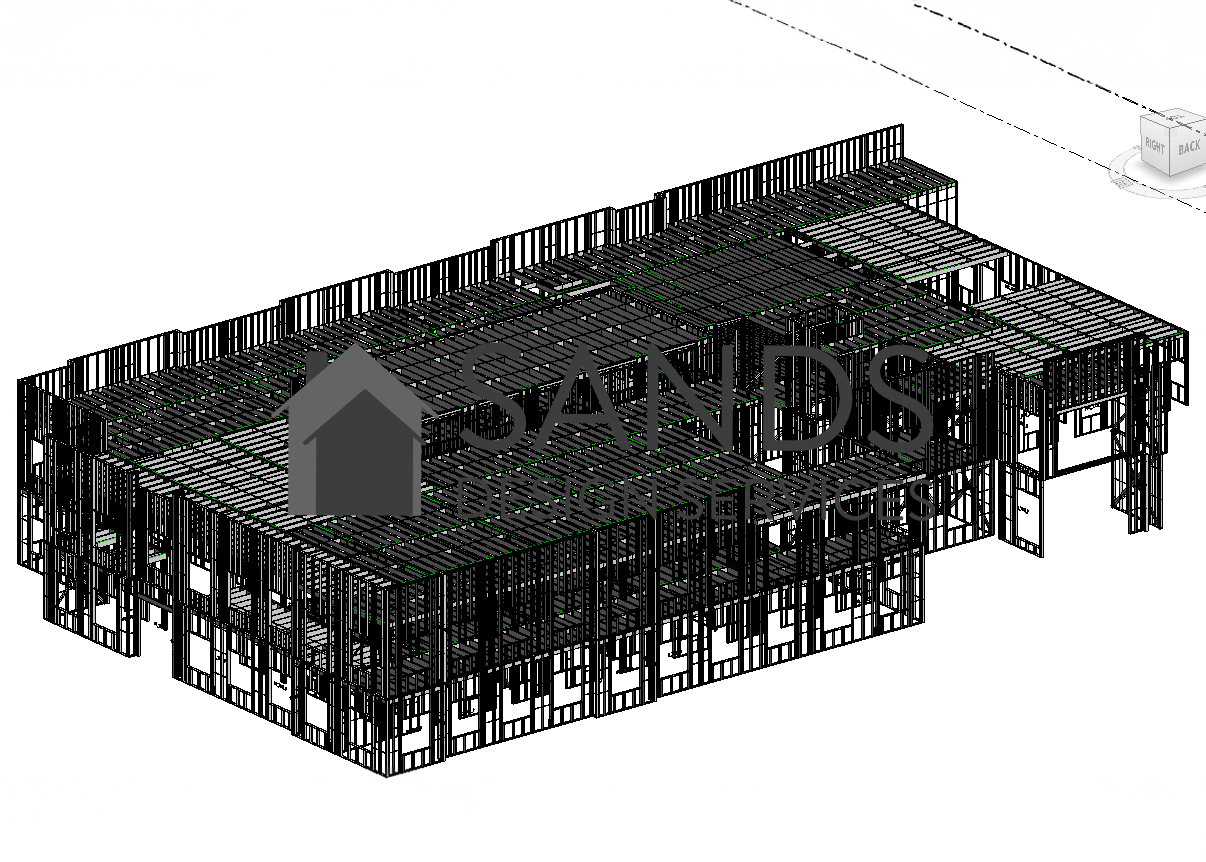
BIM clash detection relies on detailed 3D models that represent architectural, structural, mechanical, electrical, and plumbing systems. These models are combined into one coordinated view.
The process typically includes:
- Creating discipline-specific BIM models
- Combining models into a single coordinated model
- Running automated clash detection checks
- Reviewing and resolving clashes with the project team
BIM plays a growing role in how teams coordinate systems and identify conflicts early, a shift that reflects how BIM is transforming construction across the industry.
Tools and Software Used
Clash detection relies on specialized BIM software that brings multiple building systems into a single, coordinated model. When used properly by trained professionals, these tools help teams identify conflicts early and resolve them before construction begins.
Commonly used tools include:
- Autodesk Navisworks: Often used to combine architectural, structural, and MEP models into one file, Navisworks allows teams to run detailed clash detection tests and prioritize issues based on severity and location.
- Autodesk Revit: Revit is commonly used to create discipline-specific BIM models. When models are built accurately, clashes identified during coordination can be resolved directly in the design files.
- Solibri: Solibri focuses on model checking and rule-based validation, helping teams identify spatial conflicts, clearance issues, and coordination problems that may not be obvious in 2D drawings.
- Autodesk BIM 360: BIM 360 supports issue tracking and coordination by allowing teams to assign clashes, document resolutions, and keep communication centralized throughout the project.
When these tools are used by experienced designers and coordinators, they do more than just flag conflicts. They support a structured process where clashes are reviewed, prioritized, resolved, and verified before construction begins.
This level of expertise is what turns software into real value, helping teams reduce construction errors, limit rework, and maintain project efficiency.
Final Thoughts: Why Clash Detection Is Worth It
Clash detection is a practical and proven tool for modern construction projects. By using BIM clash detection, teams can reduce construction errors, improve project efficiency, and avoid costly delays.
Catching issues early leads to smoother builds, clearer communication, and better outcomes for everyone involved.
Ready to Get Started?
Clash detection is most effective when it is handled early and managed by professionals who understand how building systems interact. Identifying conflicts before construction begins helps reduce delays, limit rework, and keep projects moving efficiently.
If you are planning a new build, renovation, or commercial project, coordinated BIM clash detection can help protect your schedule and budget from avoidable issues.
If you want to take advantage of the full clash detection benefits on your next project, contact us.